Which of These Regulated the Freight Rates of Railroads
2 Interstate Commerce Act. Up to 10 cash back Railroad deregulation under the Staggers Act of 1980 generated rate reductions service enhancements and other improvements in economic welfare.
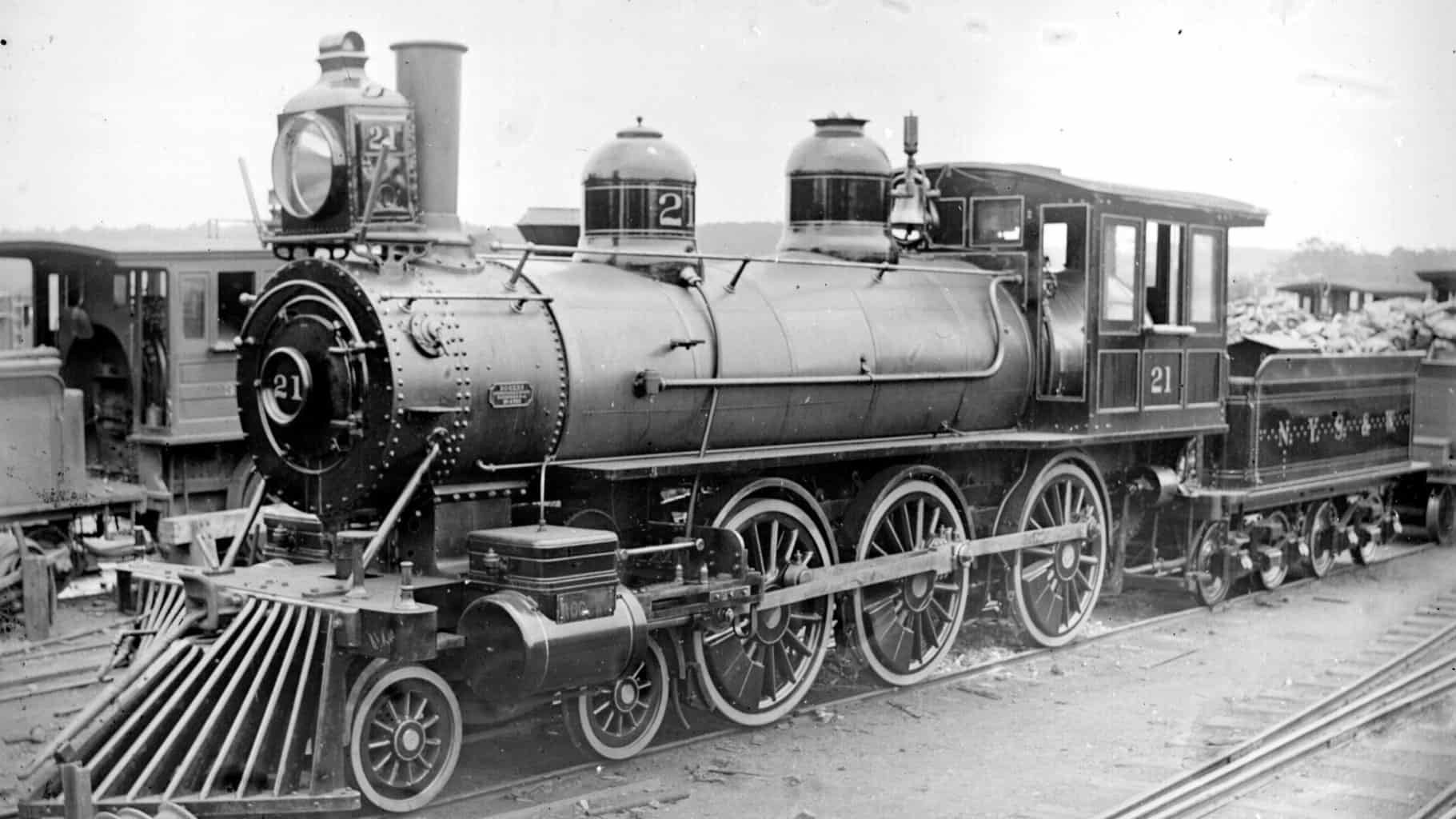
Flashback The Story Behind The Once Mighty Interstate Commerce Commission Freightwaves
Accessible book Constitutional law Freight Rates Railroad law.
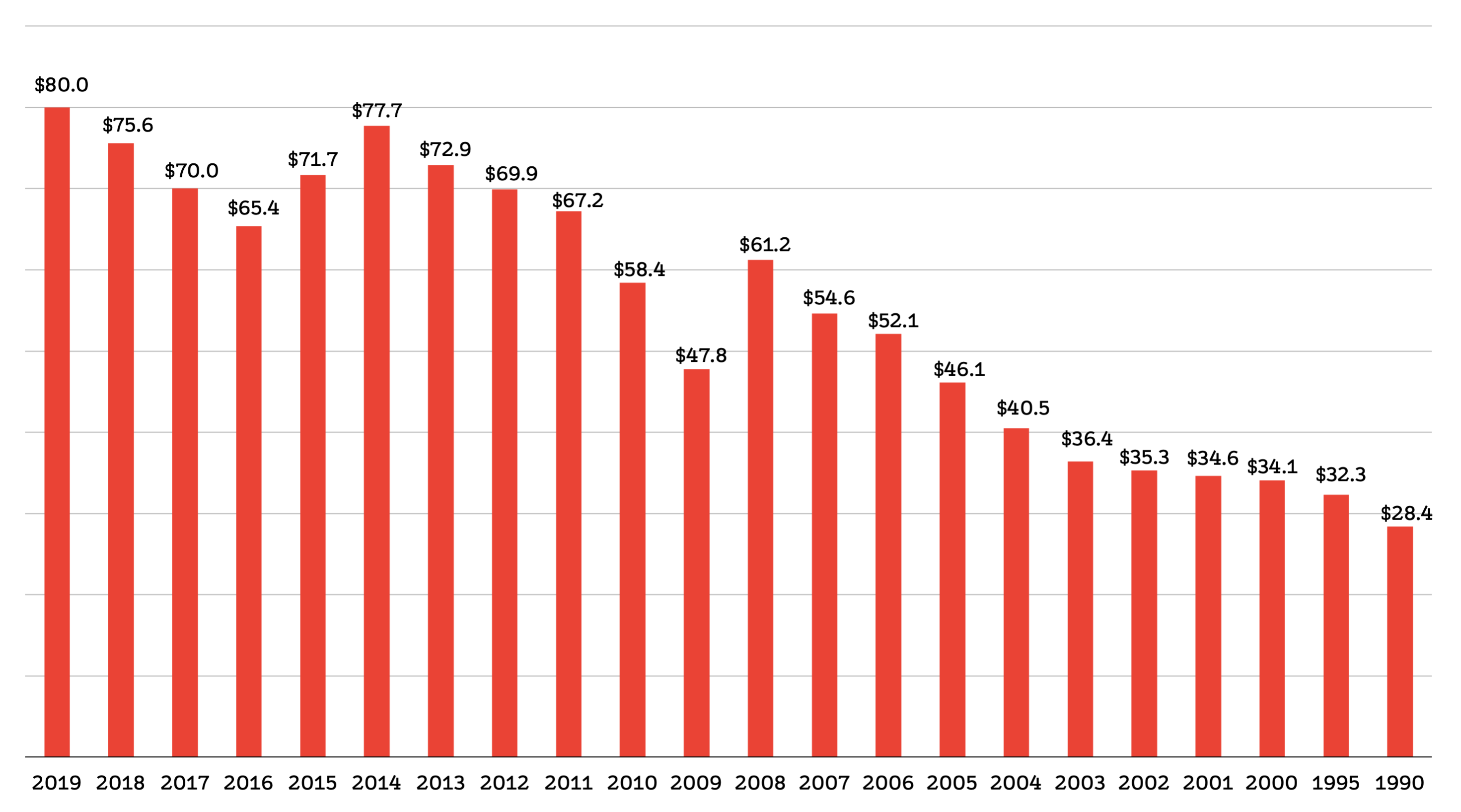
. Unsurprisingly freight railroad investment safety and quality surged. This act freed railroads from detailed regulation of freight rates. Since 1980 rail rates adjusted for inflation have declined an average of about 22 percent.
More circuitous route between 2 points had to charge the same rate as a more direct route. Railroad Rates and Revenues. Freight Rail Economic Regulation.
The Staggers Act deregulated rail rates for some traffic allowed the Interstate Commerce Commission ICC to deregulate rates for other traffic permitted railroads and shippers to negotiate unregulated contract rates and established criteria for regulating rates if a shipper has no cost-effective alternative to a single railroad. Compelling freight railroads to open their routes to other operators under terms dictated by the government would lead to pain for consumers. Advances in Railway Passenger Service.
Freight railroads support a continuation of existing. In addition service has improved. The validity of rate regulations state and federal -- subjects.
6 Increased the already high. It also lets shippers address rail service concerns. WASHINGTON A US.
2020 Arkansas Code Title 23 - Public Utilities and Regulated Industries Subtitle 1 - Public Utilities And Carriers Chapter 10 - Transportation Of Passengers And Freight Generally Subchapter 4 - Freight Railroads 23-10-412. 4 He regarded tariff protection as an unwarranted subsidy to big business giving the trusts pricing power to the disadvantage of ordinary Americans. 2 open routing concept.
Even before regulation railroads struggled to raise their rates as nearly all traffic-dense corridors had two or more railroads competing for freight. Railroad Receiverships and Reorganizations. Railroad Rates And Federal Regulation of Transportation.
The railroads became free to ask for rates that they believed reflected market conditions provided that no alternative in the marketplace existed. AAR Full members include the major freight railroads in the United States Canada and Mexico as well as Amtrak. The origins of railroad regulation.
These benefits appear to be widely shared. Wages of Railroad Labor. Reasonableness of railroad freight rates.
The Surface Transportation Board STB oversees freight rails market-based balanced economic regulatory framework. In this universe of diminishing margins a. The STB is an independent agency although it is administratively affiliated with the US.
This framework allows freight railroads to manage assets and pricing without overt government intervention. In response to the announcement USDAs Agricultural Marketing Service AMS. The announcement raised the possibility that the Board would revise or supplement the Constrained Market Pricing CMP approach to rate regulation adopted following the Staggers Rail Act of 1980.
The Staggers Act also allowed the railroads to abandon unused or less. The Surface Transportation Board STB is a regulatory agency that Congress charged with the fundamental missions of resolving railroad rate and service disputes. Over the last quarter of a century Congress has sharply curtailed regulation of transportation starting with the Railroad Revitalization and Regulatory Reform Act of 1976 the 4-R Act the Motor Carrier Act of 1980 the Household Goods Act of 1980 the Staggers Rail Act of 1980 the Bus Regulatory Reform Act of 1982 the Surface Freight Forwarder Deregulation Act of 1986.
1 ICC set maximum and minimum rates for rail shipments often unrelated to costs of demand. -couldnt make any money bc they were set at the wrong amount. 3 It had little enforcement power.
The Staggers Act enabled the railroads to set rates determined by market conditions rather than by any collective rate-making structure. Among the recommendations in the 141-page report released on Thursday in response to a Biden administration executive order issued a year ago. By the 1970s when the ICC reached its height of over 2000 employees Congress began the long overdue process of deregulation.
Shippers have benefited from reduced railroad regulation. 5 A - Benjamin Harrison. This act substantially deregulated trucking allowing new truckers to enter the industry without having to get permission and allowing truckers to compete on freight rates.
DOT report critical of railroads discusses pandemic-related supply chain problems and cites concerns with Precision Scheduled Railroading Class I railroad consolidation and rising railroad rates. Free from artificial controls railroads. Train reliability has increased and freight car shortages which might interrupt a shipper s business have declined.
It was created in the Interstate Commerce Commission Termination Act of 1995 and is the successor. The 1906 passage of the Hepburn Act only worsened the situation as it gave the Interstate Commerce Commission the power to set maximum rates. Just months earlier Congress had passed and Carter had signed the Motor Carrier Act of 1980.
1 Rail lines extended cheaper freight rates to large shippers by rebating a portion of the charge. In the 35 years since freight railroads have roared back to life. Founded in 1934 AAR is the worlds leading railroad policy research standard setting and technology organization that focuses on the safety and productivity of the US.
The Railroads and the Depression. There is a low likelihood that some captive shippers pay rates that exceed the rates they would have paid under regulation some evidence that some captive. Transportation Board STB is the economic regulator of the railroads and resolves rate and service disputes between shippers and railroads for regulated goods shipped under tariff but does not have authority to address rate and service disputes for freight shipped by contract.
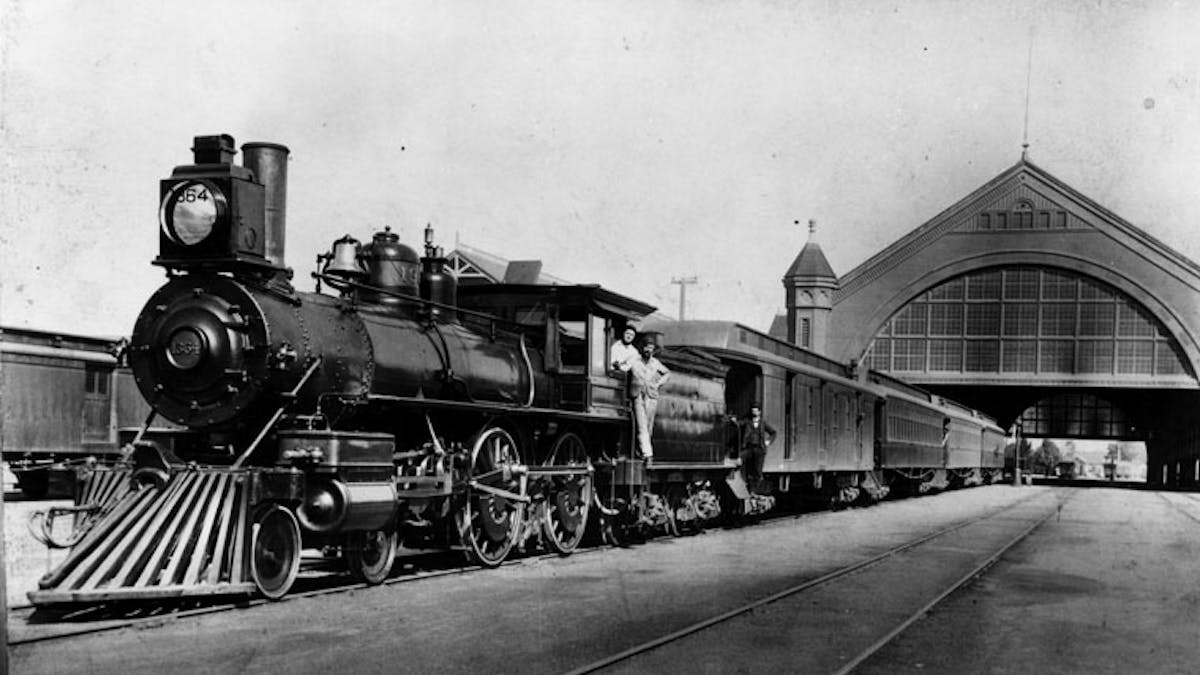
For Tech Giants A Cautionary Tale From 19th Century Railroads On The Limits Of Competition

Class I Ii Iii Railroads Defined In 100 Words

Freight Railroads Differential Pricing Association Of American Railroads
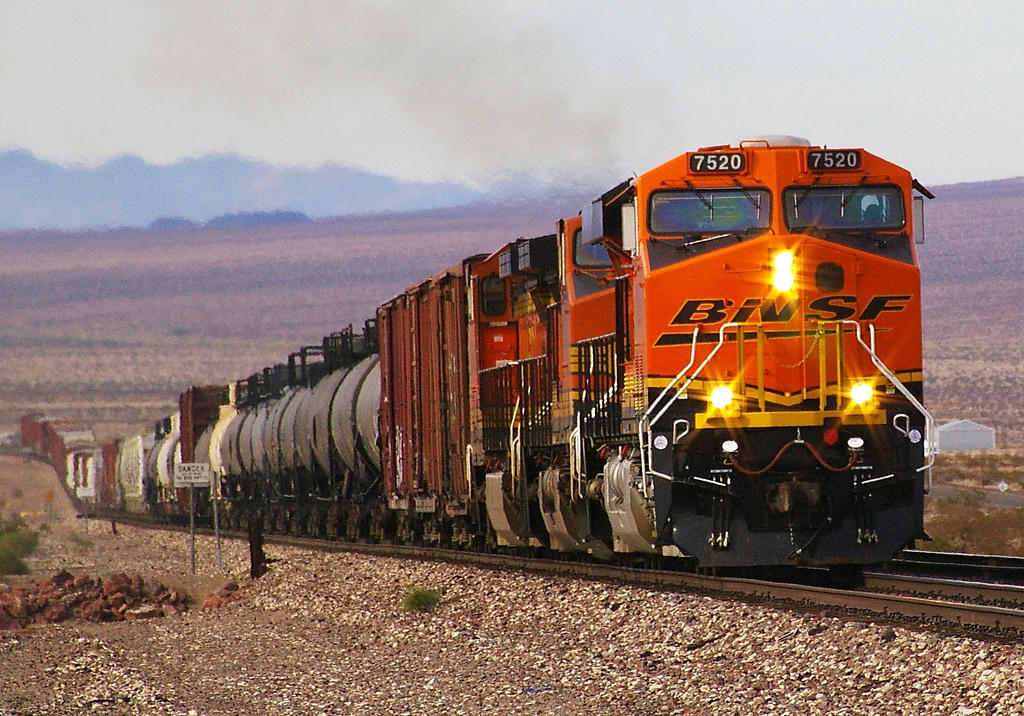
Bnsf Is Moving Commodities Safely And Responsibly Crosscut

Industries Freight Rail Supports Association Of American Railroads

Why Regulators Must Maintain The Staggers Act Association Of American Railroads

Freight Railroads Differential Pricing Association Of American Railroads
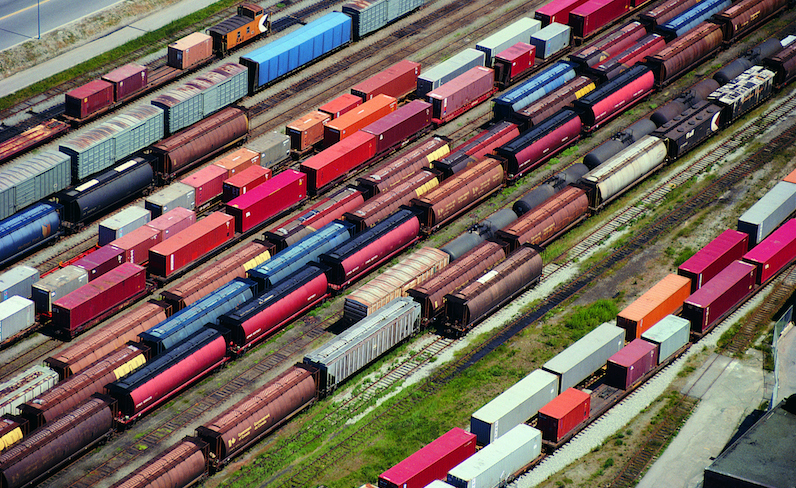
U S Freight Customers Increasingly Taxed By Higher Rail Rates The Regulatory Review
Understanding The American Railroad Industry Dynamo Ventures Supply Chain Mobility Venture Capital


Comments
Post a Comment